Accessories & hardware
The parts you touch every day.
Pull-outs, lighting and hardware are what separate a closet you tolerate from one you enjoy using. They are specified at design stage because most of them change how the panel is drilled.
Catalog
Nine accessories: pull-outs, lighting, hardware.
 Pull-outs
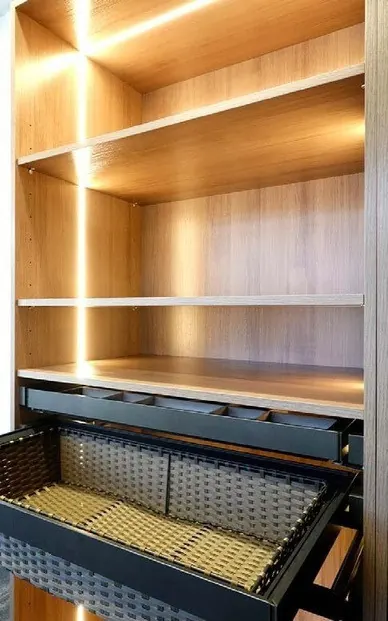
Pull-Out Pants Rack
A full-extension rack of individual arms, so trousers hang by the cuff without a crease across the knee.
 Pull-outs
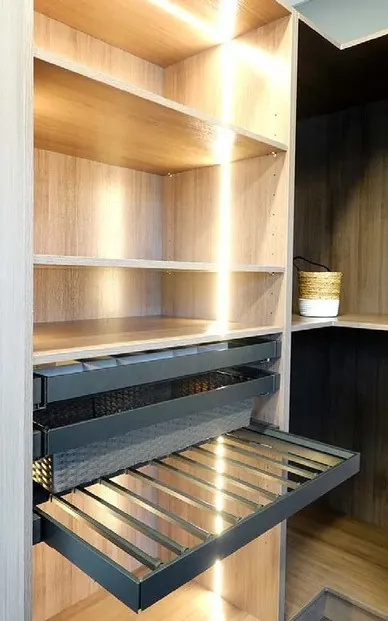
Pull-Out Rattan Basket
A ventilated woven basket on soft-close runners — for knitwear and anything that should breathe.
- Pull-outs
Pull-Out Organizer Divider
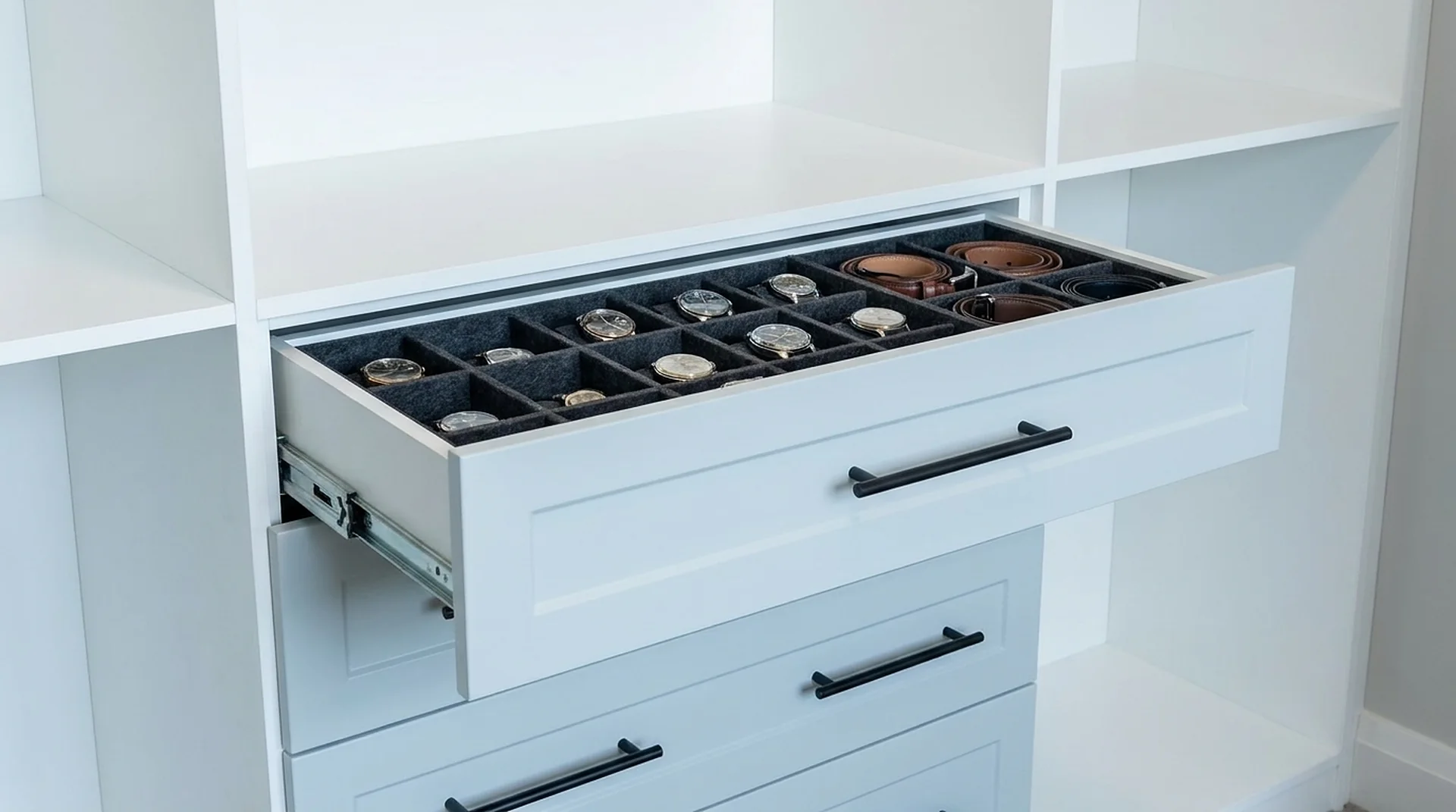
A gridded tray that drops into a shallow drawer and turns it into compartments for watches, belts and jewelry.
 Lighting
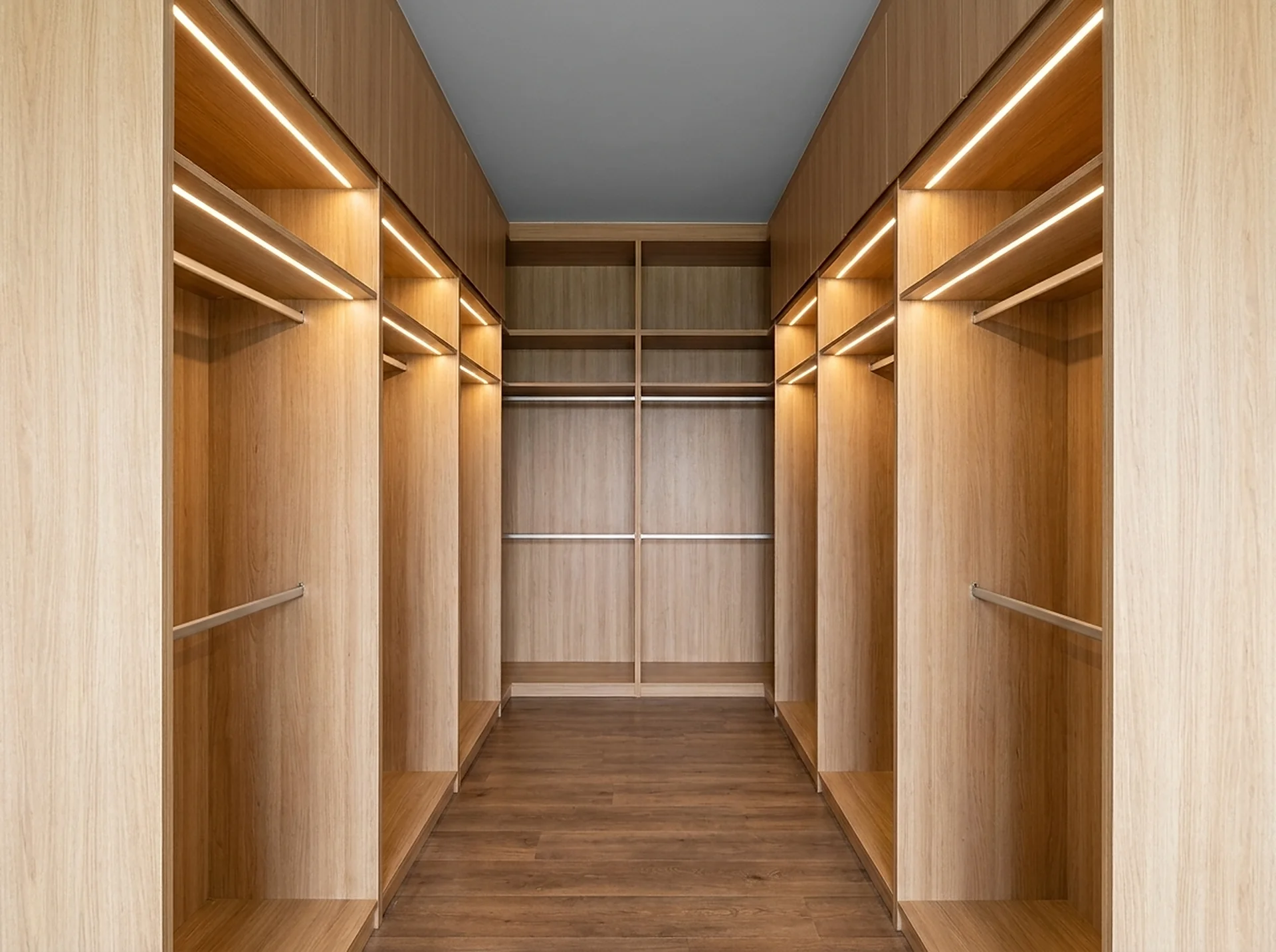
Insert LED Lighting
Recessed LED strip run into the shelf edge or cabinet top. Warm or neutral white, dimmable, with an optional door switch.
 Hardware
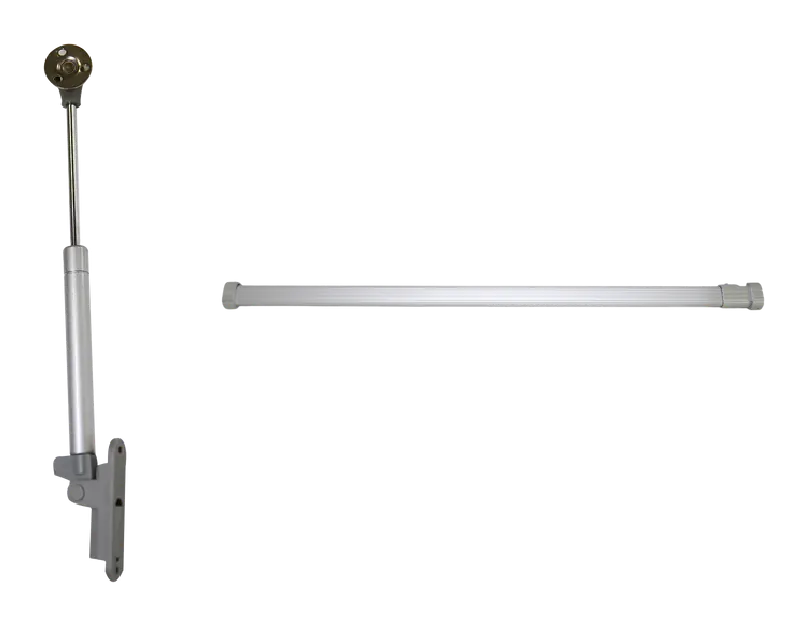
Adjustable Hanging Rail
Aluminum rail on end supports, cut to bay width, rated for a full run of winter coats.
 Hardware
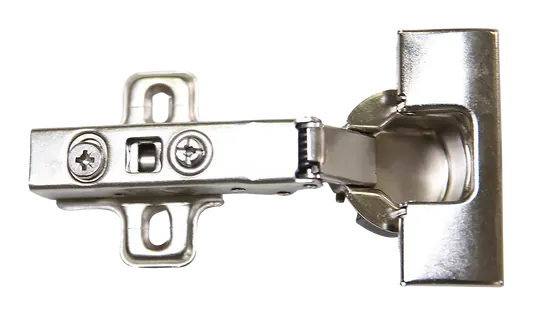
Soft-Close Concealed Hinge
Concealed hinge with integrated damper, adjustable in three axes after installation.
 Hardware
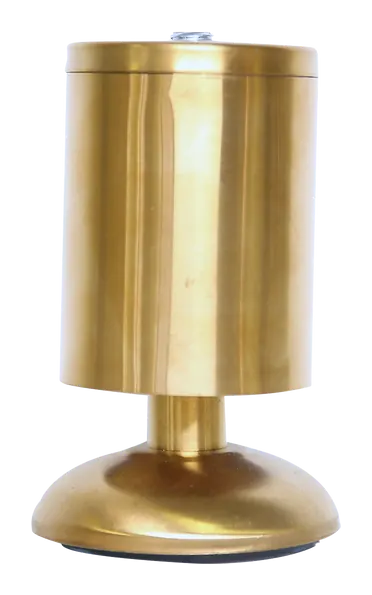
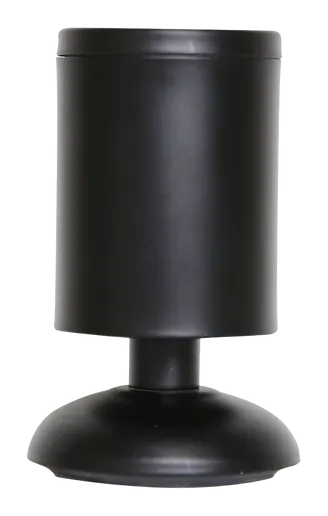
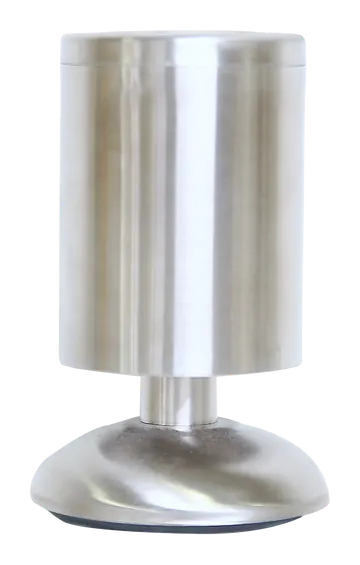
Adjustable Cabinet Legs
Leveling legs in matte black, brushed brass or brushed nickel, for floors that are never quite flat.
 Hardware
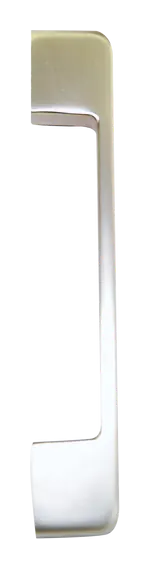
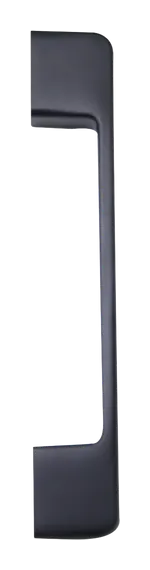
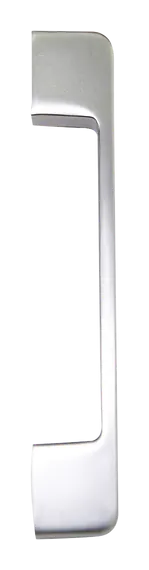
Squared Bar Pulls
A squared bar pull in three finishes — the default handle across the program.
 Hardware
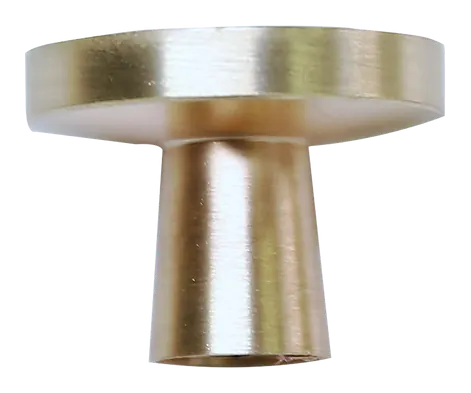
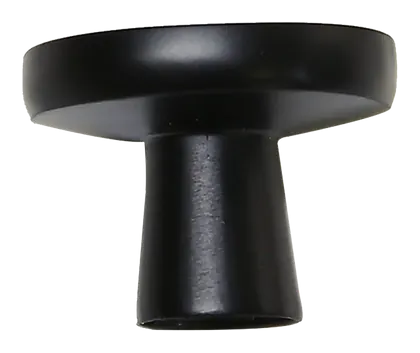
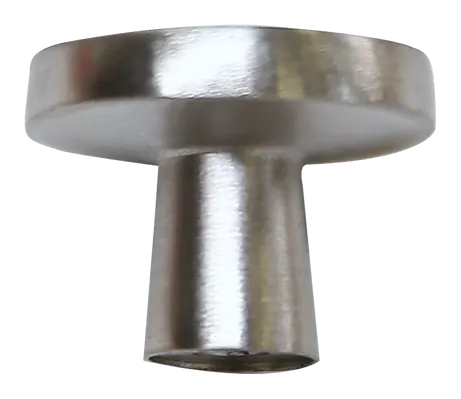
Round Cabinet Knobs
A low-profile round knob for drawer fronts and shaker doors, in three matched finishes.
Lighting
Light the shelf, not the ceiling.
A ceiling fixture in a closet puts your own shadow on everything you are looking at. Recessed LED run into the shelf edge does the opposite — it lights the contents from the front, at the height you are actually reading.
Warm white flatters fabric and skin; neutral white shows true color, which matters if you are matching a navy jacket to navy trousers at seven in the morning.
Further reading: Closet Lighting: LED Strips and Sensors.
- Shelf-edge or cabinet-topRouted into the panel, not stuck on afterwards.
- Warm or neutral whiteChosen against the room's existing lighting.
- Door-switched optionLights come on when the door opens, off when it closes.
Specified together
Hardware is a panel decision.
Most of what is on this page changes how the panel is drilled, which is why it is specified at design stage rather than added afterwards. The door faces these hinges and pulls hang on are on the doors and partition panels page, the decors they are matched to on the finishes page, and the cabinet terms used here are defined on the glossary.
Questions
About accessories.
How high should a closet rod be mounted?
Two heights cover almost everything: 82 inches for an upper rod and 40 inches for a lower one. In an 84-inch tower that splits the run into two 40-inch sections, which is what shirts, jackets and folded trousers need. A long-hang section for dresses and coats takes a single rod at about 66 to 70 inches, which leaves around 60 inches of clear fall for dresses and long coats with the hem off the floor; anything above that is wasted air.
What depth should a closet be, and what is a good depth for shelves?
24 inches for anything you hang, 15 inches for anything you shelve. A standard hanger is about 17 inches wide, so at 15 inches deep garments have to sit at an angle and sleeves rub the door. For folded goods and shoes, 15 inches keeps everything within reach instead of hiding it at the back.
What are the downsides of melamine material?
Day to day the trade-off is repairability. A scuff on a sealed melamine face wipes off where a painted finish would need touching up, but a gouge that reaches the core cannot be filled and refinished invisibly the way solid timber can — the damaged part is replaced instead. Because the program is built on a 32 mm system hole pattern, replacing one shelf or one door is a component swap rather than a rebuild.
What are the must-have closet accessories?
The program carries nine: three pull-outs (a pants rack, a ventilated rattan basket and a gridded organizer divider), insert LED lighting, and five hardware items (an adjustable hanging rail, a soft-close concealed hinge, adjustable cabinet legs, squared bar pulls and round cabinet knobs). Rather than rank them, the useful test here is timing rather than taste: most of what is in this catalog changes how the panel is drilled, which is why it is specified at design stage rather than added afterwards. The insert LED, for example, is routed into the shelf edge rather than stuck on once the run is built. So the practical question is not which accessory you would most like, but which ones cannot be retrofitted after the panel is bored.
Is there a pull-out hamper or valet rod in the closet catalog?
The catalog carries three pull-outs: a pants rack, a ventilated rattan basket and a gridded organizer divider. The ventilated basket is the part that does a hamper's job — it runs on soft-close runners inside a cabinet, so laundry sits behind a door and still breathes. A separate valet rod is not one of the nine catalog accessories; in this program the same purpose is usually served by leaving one short bay of hanging clear at eye level, which adds no moving part to go out of adjustment.
What is the difference between a partition panel and a drawer divider?
One is structure, the other is a tray. A partition panel is a finished vertical panel that divides one bay from the next and carries the shelf and rod loads — it is what makes a run read as cabinetry rather than shelving, and it is fixed when the run is built. The Pull-Out Organizer Divider is a gridded tray that drops into a shallow drawer and turns it into compartments for watches, belts and jewelry; it lifts out and can be moved to another drawer later. If it carries load it is a panel; if it sorts small things inside a drawer it is a divider.
What hardware finishes are available?
Three, and they are matched across the program so a run never mixes tones: matte black, brushed brass and brushed nickel. The same three cover the squared bar pull, the round knob and the adjustable cabinet leg, which is why hardware is chosen once rather than per cabinet. The soft-close hinge is concealed, so it carries no finish choice at all.
Should you keep a hamper in the closet?
Yes, provided it is ventilated and sits behind a door. The catalog's ventilated rattan basket is the pull-out that does a hamper's job: it runs on soft-close runners inside a cabinet, so laundry is out of sight and still breathes. The other two pull-outs — a pants rack and a gridded organizer divider — do different jobs, so the basket is the one to specify for laundry.
Do the drawer organizers come with velvet jewelry trays?
The Pull-Out Organizer Divider is a gridded tray that drops into a shallow drawer and turns it into compartments for watches, belts and jewelry. It is a melamine grid rather than a velvet-lined insert, which is why it wipes clean and why it can be lifted into a different drawer later. Drawers are built at two useful clear heights, and the shallow one is the jewelry and folded-shirt drawer.
Are LED lights good for closets?
Yes, and in a deep or doored closet they change how usable it is, because the thing that makes you misread a navy jacket as black is a single ceiling bulb throwing your own shadow onto the hanging. Light belongs at the front edge of the shelf, aimed down the face of what is stored, which is why the catalog strip is recessed into the shelf edge or the cabinet top rather than surface-mounted. Two details decide whether you like it: color temperature and switching. Warm white reads comfortable but shifts how fabric color looks, neutral white is the honest choice for a dressing closet, and both are offered dimmable. An optional door switch turns the run on as the door opens, which is the difference between lighting you use and lighting you forget.
What are drawer inserts, and can I make my own?
A drawer insert is a tray that sits inside a drawer and divides it, so small items stop migrating into one corner every time the drawer is closed. The catalog version is the Pull-Out Organizer Divider: a gridded melamine tray that drops into a shallow drawer and gives watches, belts and jewelry a fixed home. Making your own is genuinely reasonable — cut foam board or thin ply to the clear inside width, minus about 1/8 inch for fit, and glue the dividers into a grid. The two things people get wrong are measuring the drawer front instead of the clear inside, and building it taller than the drawer's clear height so the box will not close. Note the trade-off: a felted or velvet insert is kinder to jewelry, and a melamine grid wipes clean and can be lifted into another drawer later.
Can I buy the closet hardware on its own?
Not as a standalone retail purchase, but yes through the trade program. Accessories are specified with a project because most of them change how the panel is drilled — a pull-out needs its runner holes before the cabinet is built, not after. Supply-only delivery, without our crew fitting it, is part of the trade program for builders, remodelers and designers.
What are some good gadgets for my closet?
The ones worth having are not gadgets, and that distinction saves money. Clip-on organizers, over-the-door racks and stacking bins add storage the way a pile adds storage: they do not change the geometry and they make retrieval worse. What earns its place is hardware that is part of the cabinet — a pull-out pants rack or basket that runs on its own runners, an adjustable hanging rail, LED lighting set into the shelf edge rather than the ceiling, and soft-close runners and hinges so nothing slams. All of those are specified before the panel is drilled, which is the real reason they work and a clip-on does not.
Start here
Tell us the room. We will tell you what fits.
A field measure, a dimensioned drawing and a fixed price — in that order, before anything is cut.